


516-741-0055
Sleep Hygiene
Member of American Academy of Sleep Medicine
Sleep Therapy
Sleep Patterns
Sleep hygiene is a set of behavioral and environmental habits—such as maintaining a consistent schedule, a dark/cool room, and avoiding screens/caffeine before bed—that promote consistent, quality sleep. Good sleep hygiene, including a 7-9 hour, consistent schedule, helps regulate your circadian rhythm and improves overall, uninterrupted sleep.
Everyone has a unique sleeping pattern. Some adults need 10 hours a night. Other adults need only 5 hours a night. Many people function best with approximately 8 hours of sleep. Your requirement for sleep is unique. What is effective for your husband, your wife, or your friends is not what may be helpful to you. If you need only 5 hours of sleep a night, do not worry about it, and do not try to force longer sleeping hours. Instead, learn to use your extra waking hours for something you would like to do or get done.
Sleep Habits
All You Need Is Sleep
Quantity and Quality
Everyone’s sleep needs change. The amount and quality of sleep varies in the course of each person’s life.
Symptom of a Medical Problem
Sleeping problems may signal a medical condition such as anxiety, depression, and other disorders. It is important to get a proper diagnosis and treatment of the underlying cause of a chronic sleep disturbance.
Sleeping Medications
Sleeping pills may be of some benefits, but chronic (nightly) use of sleeping pills may actually hinder good sleep. Natural sleep is the best sleep.
Sleeping medications should be used with caution and only upon the advise of a physician. If you doctor prescribes a sleep medication, ask for clear directions and information about the particular drug you are to take. Sleep medications should be used only for the short-term management of a sleep complaint. Do not self-medicate or increase the dosage yourself. If you feel that your medication is losing its effect, report this to your doctor.
Although alcohol may help to induce sleep, the chronic use of larger quantities of alcohol causes disturbed sleep and dependency.
Need Help
Get In Touch
Key Components of Good Sleep Hygiene
- Consistent Schedule: Go to bed and wake up at the same time daily, even on weekends.
- Optimize Bedroom Environment: Keep the bedroom quiet, dark, and cool (using blackout curtains or earplugs if necessary).
- Bedtime Routine: Establish a 30-60 minute relaxing routine, such as reading, taking a warm bath, or meditating.
- Limit Screen Time: Avoid phones, tablets, and TVs for at least an hour before bed to reduce stimulating blue light.
- Dietary Habits: Avoid heavy meals, alcohol, and caffeine (coffee, tea, soda) 4-6 hours before bedtime.
- Daytime Habits: Exercise regularly (but not right before bed) and get exposure to natural sunlight during the day.
- Use the Bedroom for Sleep Only: Avoid working or watching TV in bed to strengthen the mental association between bed and sleep.
Explore
Sleep Therapies

Meditation/Relaxation
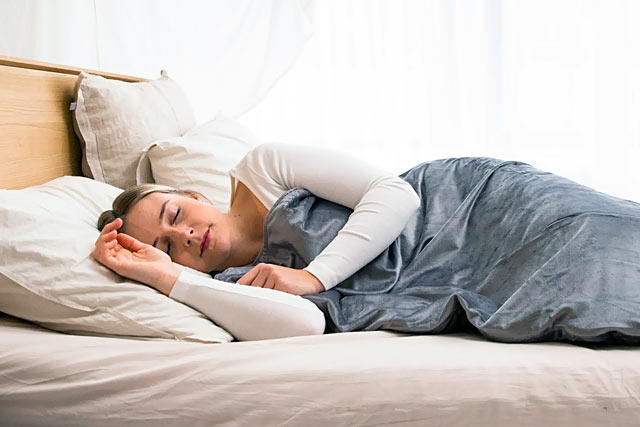
Sleep Hygiene
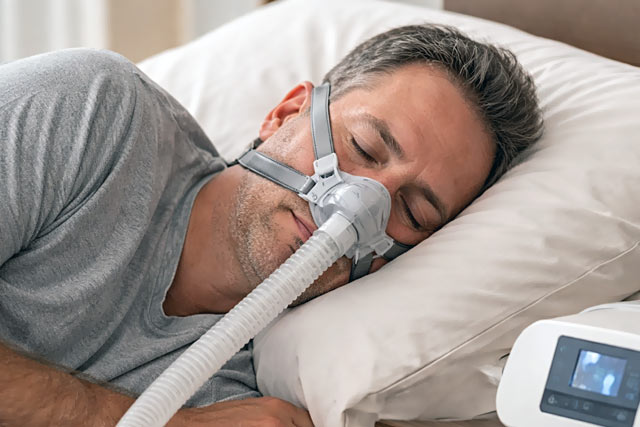
CPAP

Stimulus Control

Fitness
Feel free to reach out to us for improved assistance and services.